Ashish Singh Resume
Case study · BeatRoute Innovations

One app, many industries.
Reimagined from scratch.

The field-sales app 100+ companies run their business on. I redesigned it end to end, built a robust design system an AI agent can build screens from, and made it configurable enough that one product fits four very different industries.

RoleLead Product Designer
WhereBeatRoute, field sales SaaS
ScopeReimagine sales app UX, configurability, and field-first experience
100+
Enterprises run on it
4
Industries, one app
Daily
Field execution, every rep
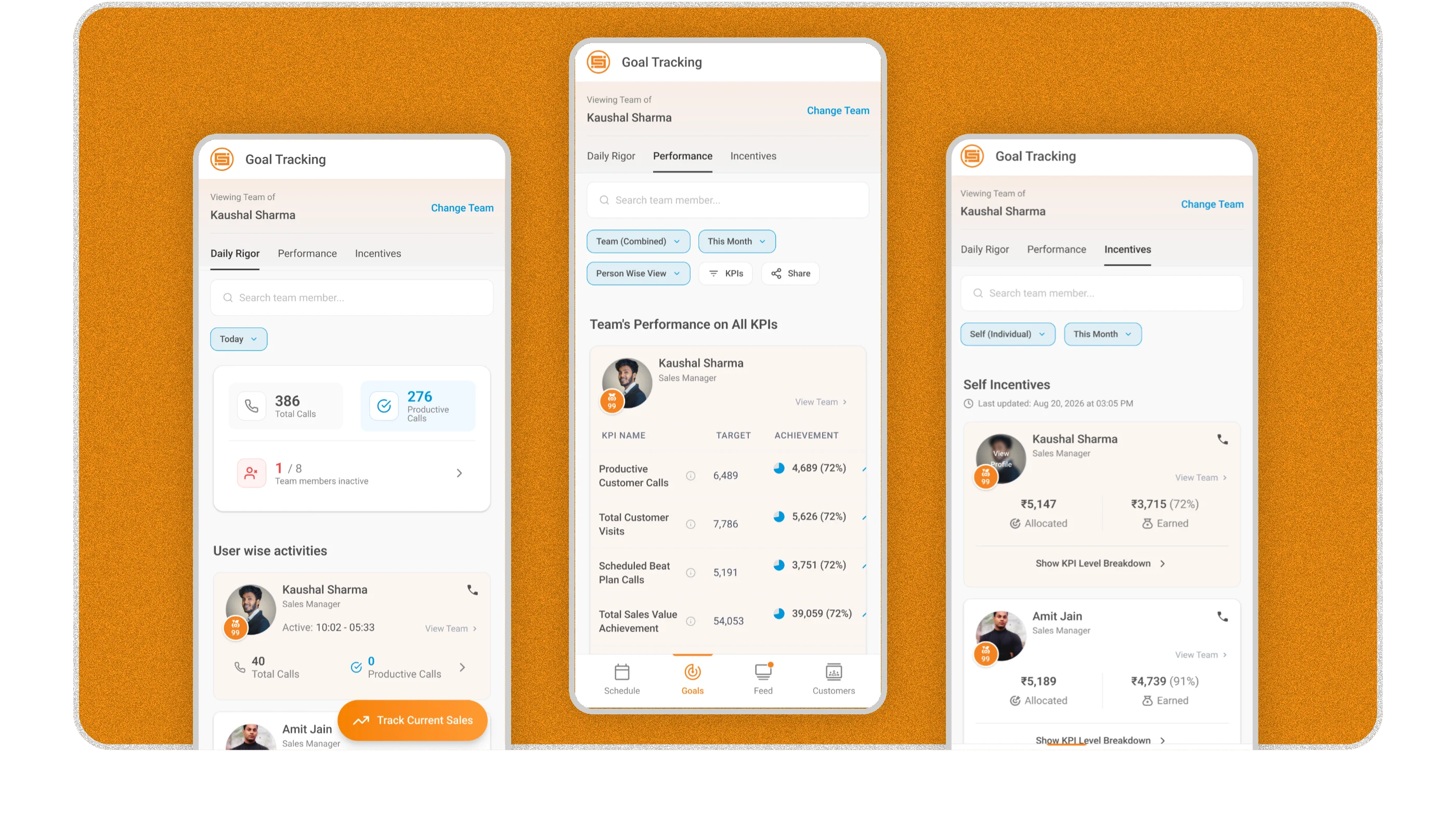
BeatRoute Sales Team App — Daily Rigor, Performance and Incentives shown on mobile
The problem

Two problems, stacked on each other.

The app already ran real business for 100+ companies. But two things were quietly holding it back, and they fed each other. The design was stuck in the past with nothing underneath to fix it, and one product was trying to serve far too many kinds of people at once.

Problem 01
A 90s design, with nothing to build from.
The interface looked and felt a decade out of date, and there was no foundation to modernize it. Figma held only flat screenshots of the live app, not real components. No design system, no reusable pieces, no shared rules. Every new screen started from a blank canvas, so the inconsistency only grew.
Problem 02
One app, many industries, many people.
The same product served very different industries, and very different people inside each one, from a distributor's owner down to a first-day field rep. Everyone was shown everything, so the app felt noisy and hard to learn. The company covered that gap with heavy, constant field training just to get reps productive.
The redesign

From a dated tool to a system.

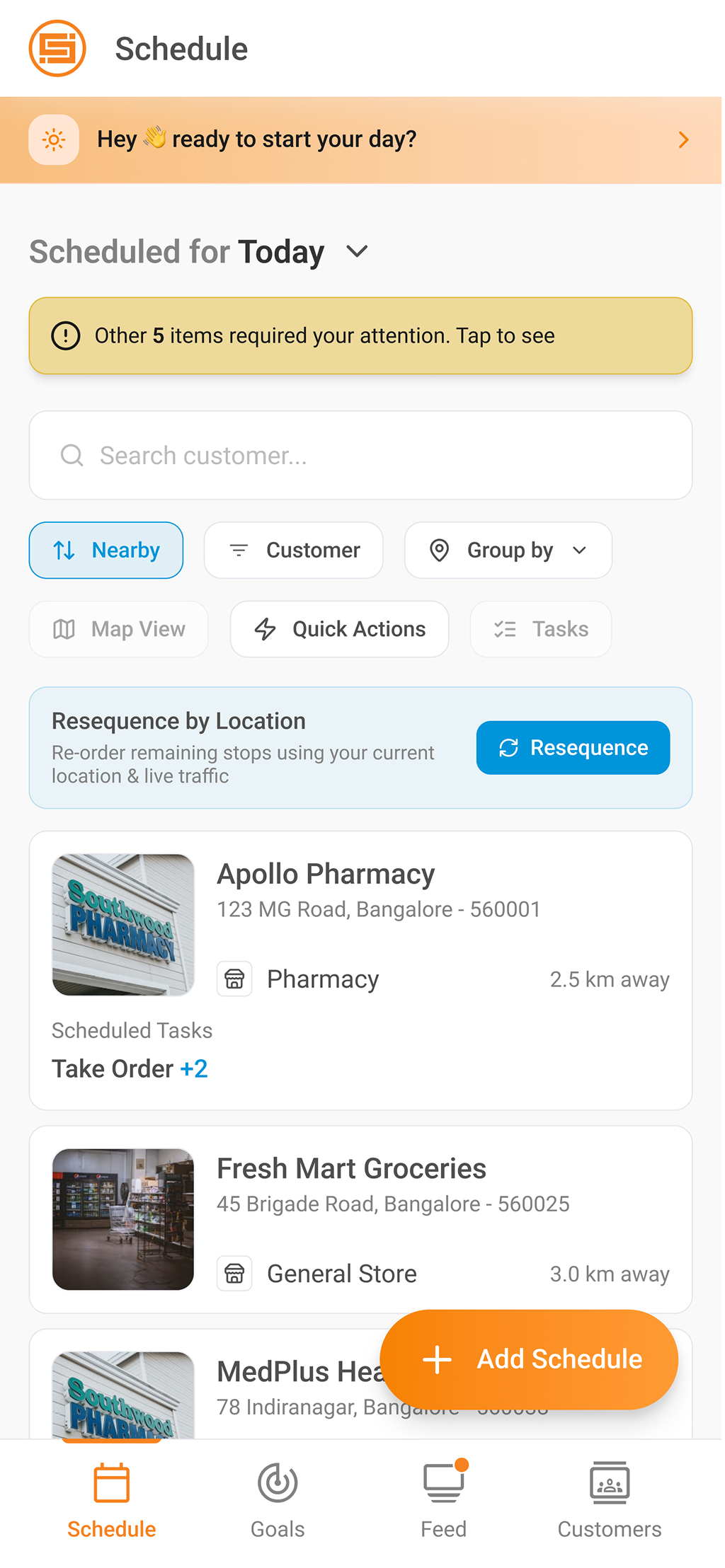
The first job was to make it feel like one modern product. I rebuilt the interface on a real design system, one set of components and tokens, so every screen finally spoke the same language. Then I made that language work for the field: fast, offline, one-handed, almost no typing, always pointing at the next thing to do.

A real design system
One component set, one type and color scale, shared patterns. New workflows now snap together instead of being drawn from scratch, and every screen looks like it belongs.
Field-first usability
Big thumb targets, offline by default, minimal typing, guided to the next action. Built so a rep on a cheap phone with two bars of signal picks it over paper.
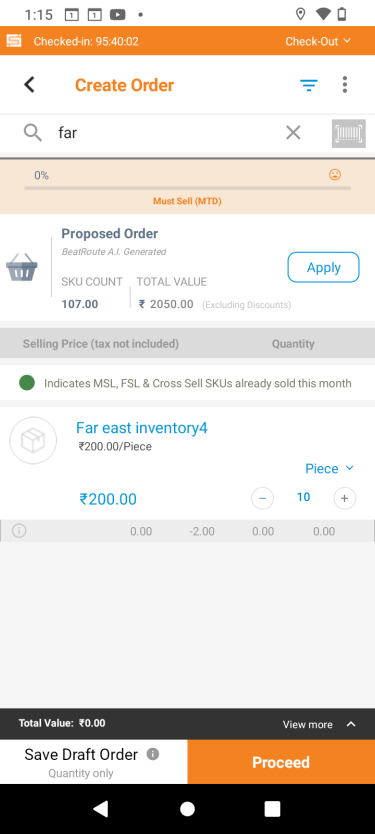
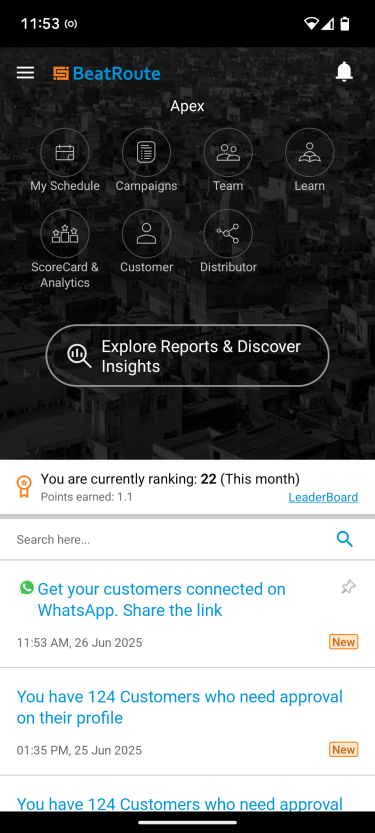
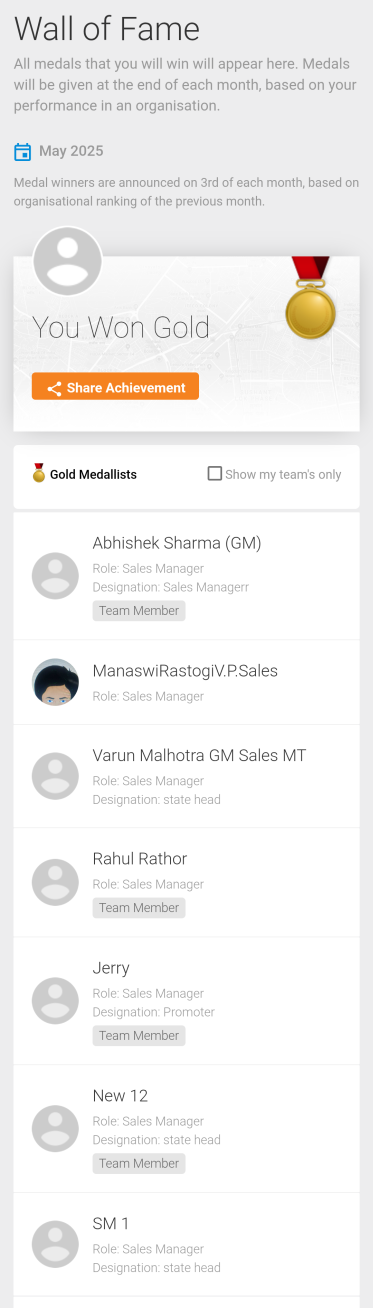
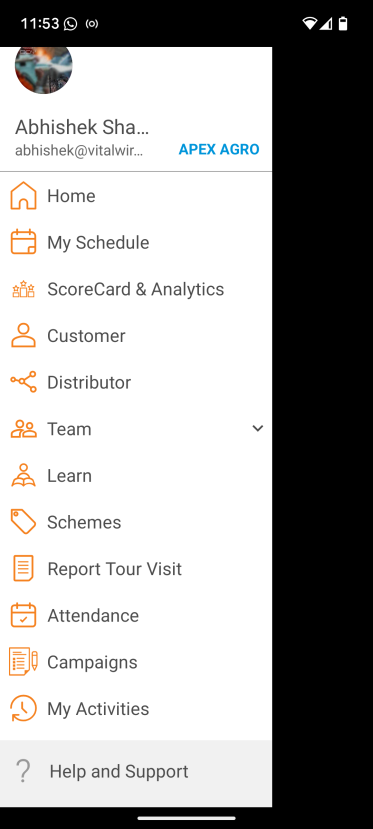
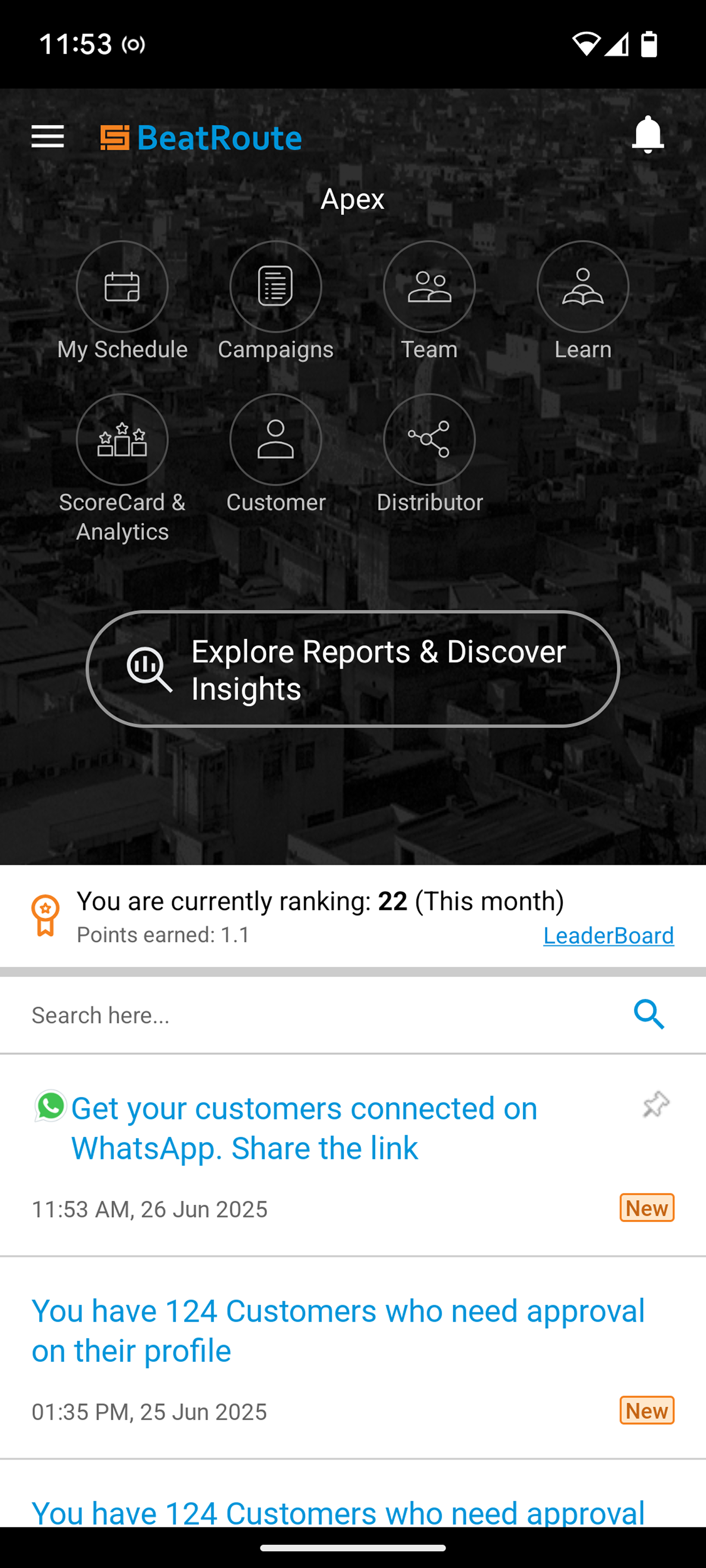
Original BeatRoute home screen
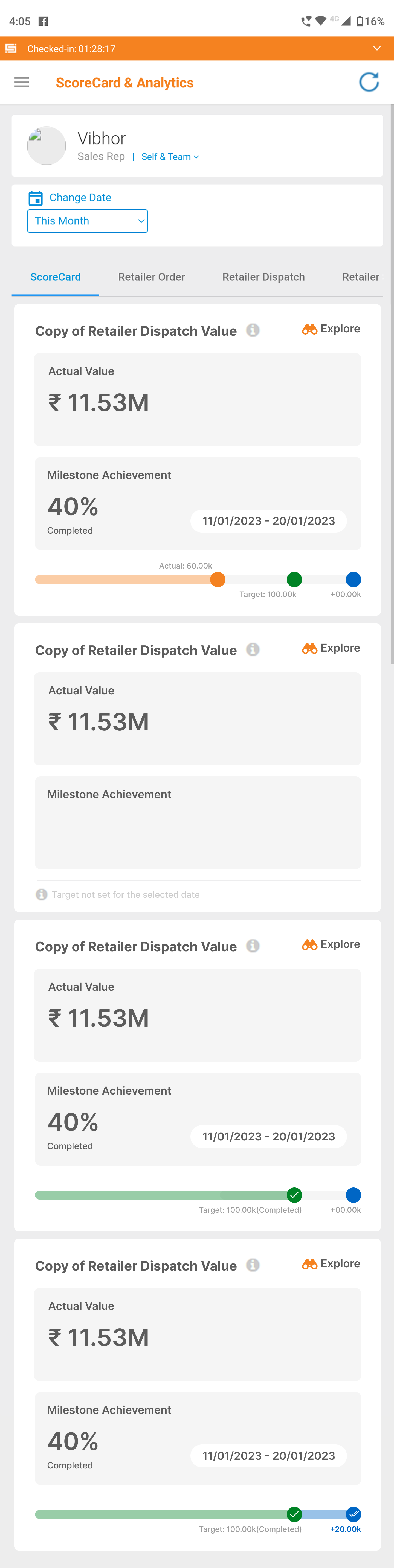
Original scorecard screen
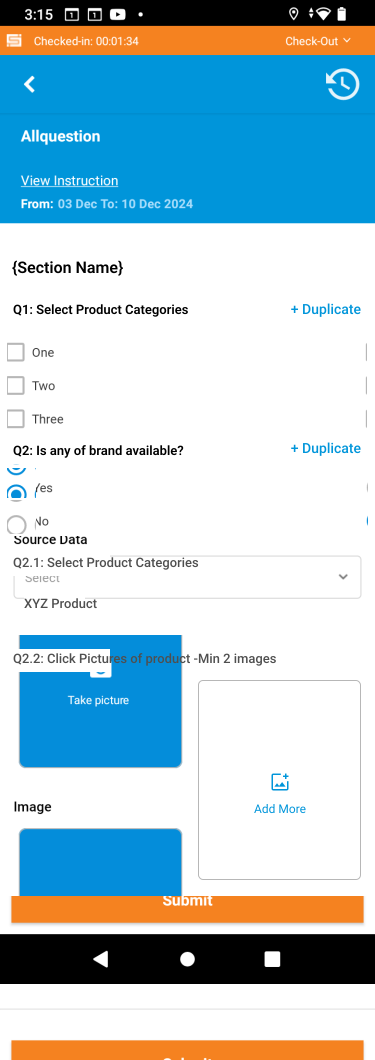
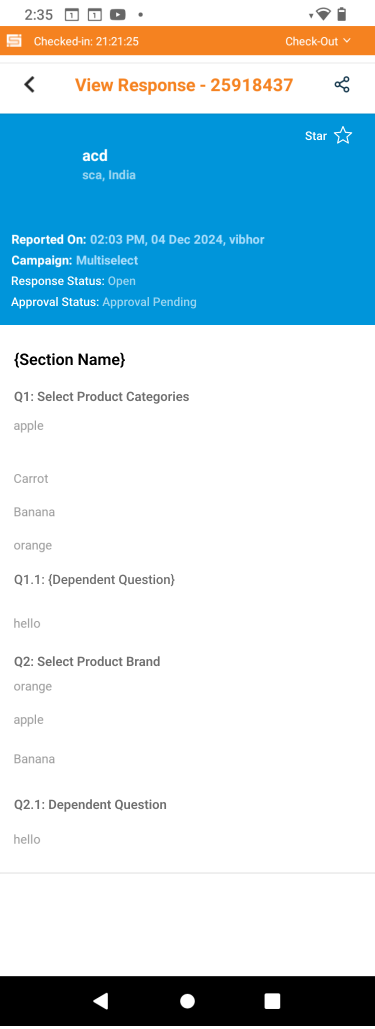
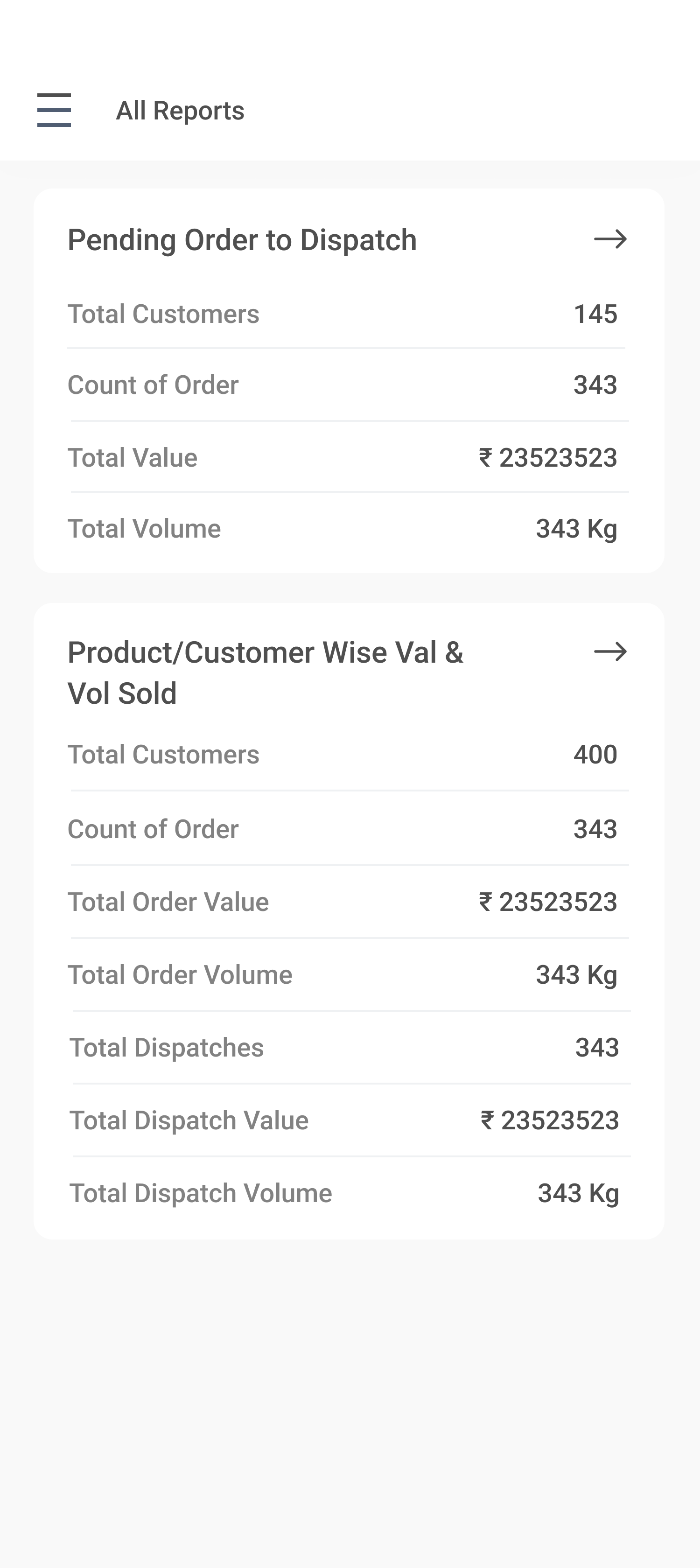
Original reports screen
Redesigned schedule screen
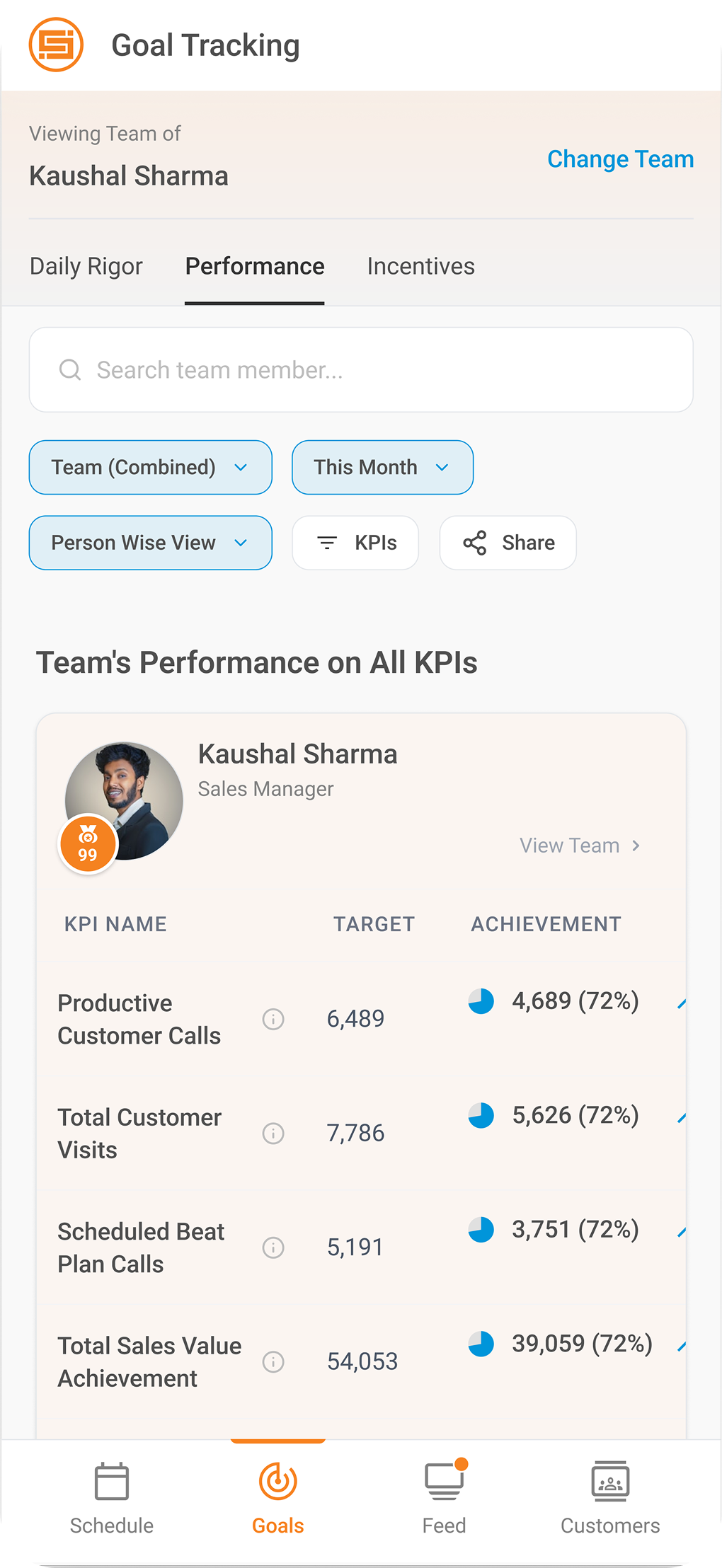
Redesigned goal tracking screen
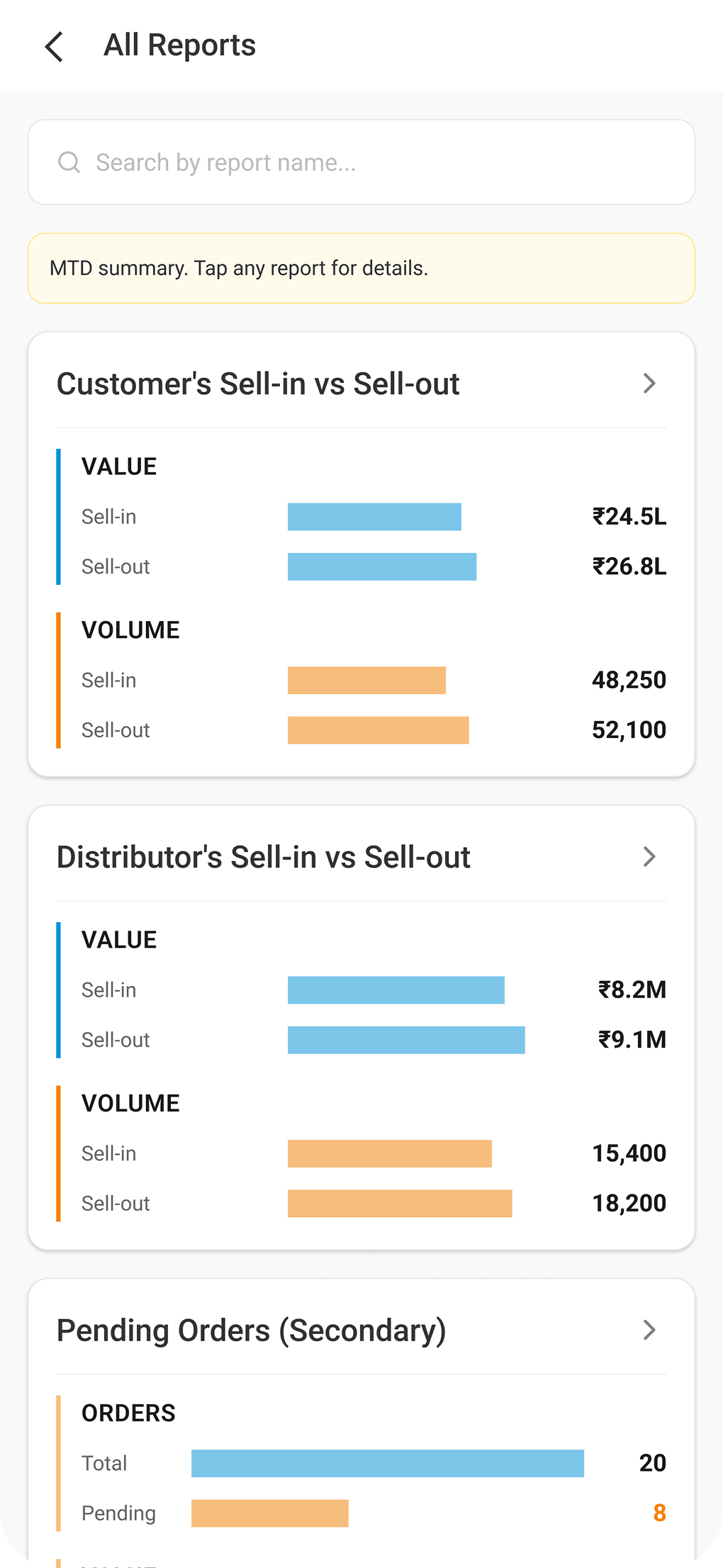
Redesigned reports screen
The old app The redesign
What it solves

Top field problems we solved.

The redesign was the surface. Underneath, the app had to solve the messy, real problems a sales org lives with every day, for the rep in the field and the manager watching the whole team. These are the ones that mattered most.

01
KPI tracking & targets
Companies configure the KPIs and targets each team has to hit, in whatever mix they run. Every rep sees exactly where they stand against them, live, the moment they open the app.
02
Expense management
Reps submit expenses from the field; managers only see what needs them. The app flags anomalies and likely fraud, so an approval takes seconds instead of combing through every claim.
03
Day timeline
A start-to-finish view of a rep's day: where they began, which customers they visited, at what time, how they travelled, and what happened at each stop. Managers get the same view for the whole team.
04
Field copilot
An intelligent copilot for reps and managers. Ask what's slipping on your KPIs, where things are breaking, and how to improve, then act on the answer without digging through reports.
05
Pocket MIS
Interactive reports with the insight built in. Instead of raw numbers, the rep sees what's happening, where it's getting stuck, and what to do next, right in their pocket.
06
Attendance
Reps mark attendance against the rules the company sets, and see their own record, late marks, misses and the reason behind each, without having to ask anyone.
07
Sales velocity & forecast
What's going to sell, by product, brand and category, down to the route. For van sales, the whole load-to-sell picture across the day as the rep works their beat.
08
Asset tracking & merchandising
Assets deployed in stores get audited every month, what's there and the condition it's in. For merchandising, the app checks whether the shelves actually look the way they should.
09
Complaints & resolution
Raise a complaint against an order, or a resolution against a complaint. Connected workflows that let the field close the loop instead of chasing it offline.
10
Beat planning
Managers plan the next month across cities and routes with an AI scheduling agent that weighs business criticality and visit norms, then suggests where each rep should go to hit the targets the company set.
What it cost

The hard calls.

01
Power versus clarity
Infinite configuration could drown the rep. The flow had to stay dead simple no matter how much was switched on.
02
Offline sync
Signal drops mid-visit. Orders and visits queue on the device, resolve cleanly, and never lose data when it comes back.
03
Moving users off the old app
Thousands of reps knew the dated version by muscle memory. The new one had to feel obviously better on day one, not just cleaner, or the field would resist the switch.
04
One language, endless flows
Every custom workflow a company dreamed up still had to feel like the same app the rep already knew, across all four industries.
Impact

What it runs.

It runs the daily field execution for 100+ enterprises across 4 industries, adopted by the users who are hardest to win over.

100+
Enterprises run field sales on it
4
Industries, one configurable app
6 Lakh
Field users on the app
2.5 → 4.2
App Store rating after redesign
The takeaway

What stayed with me is that the app never won people over by looking new. It won because it hid its own complexity, one product bending into four different businesses while every rep still felt it was built only for them.