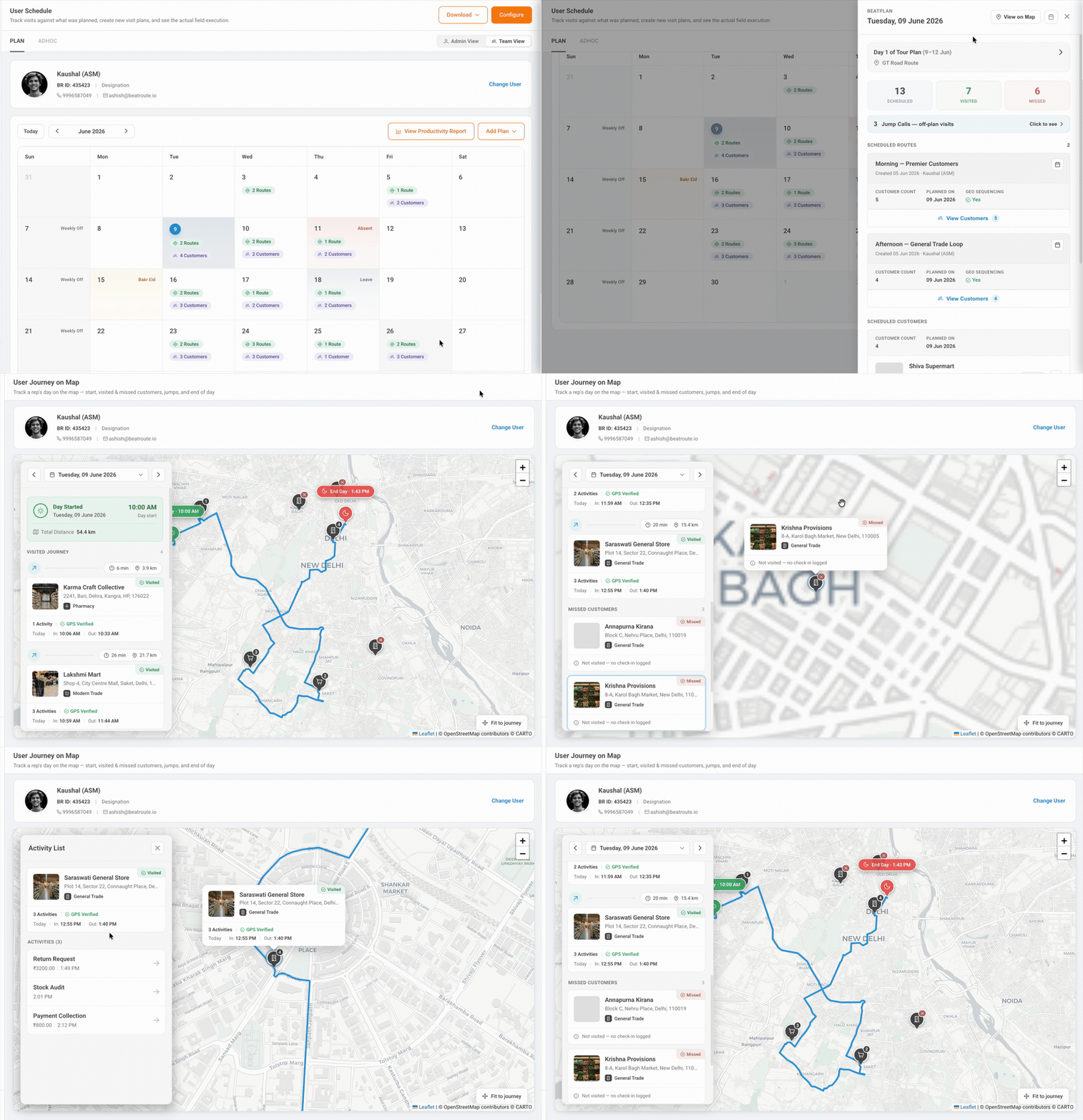
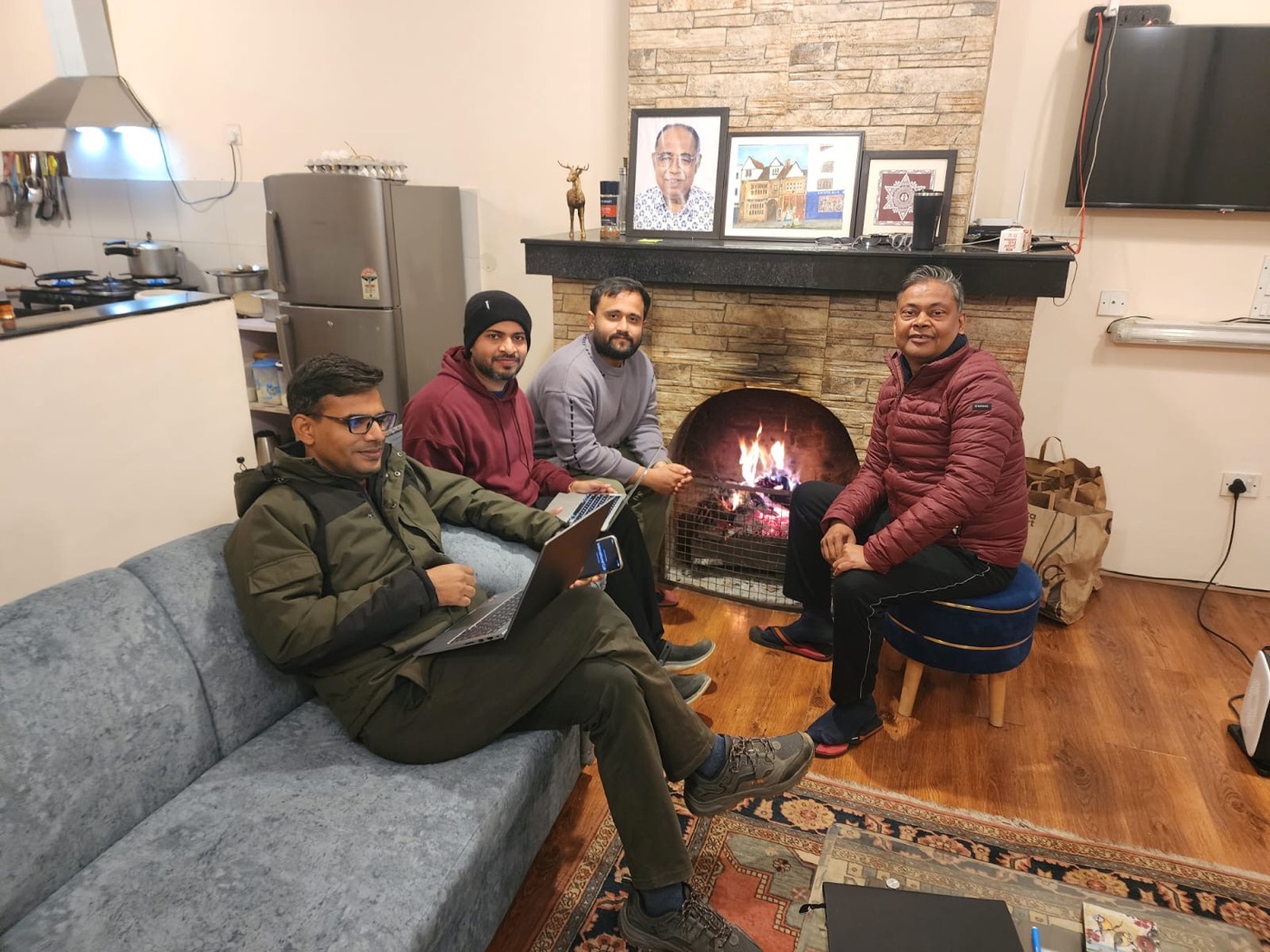
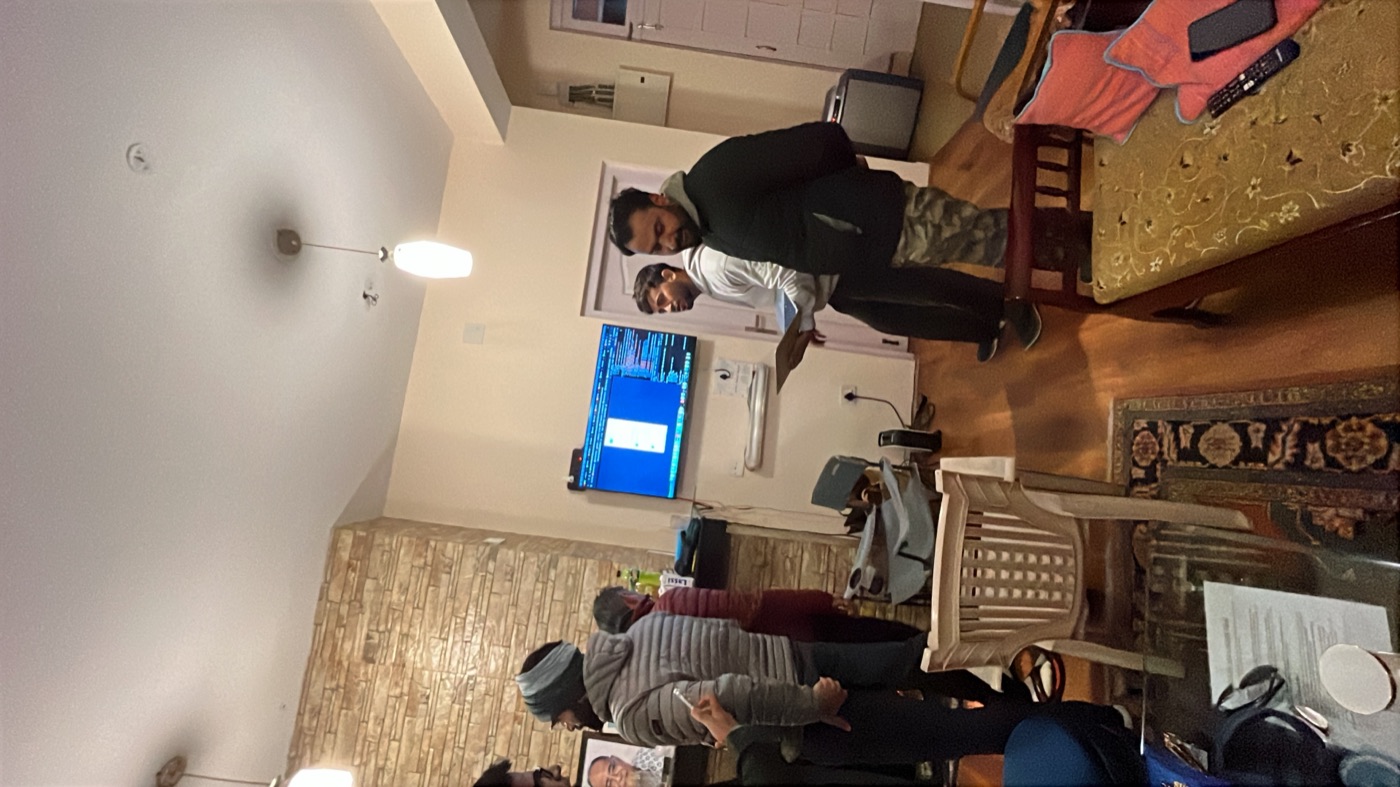
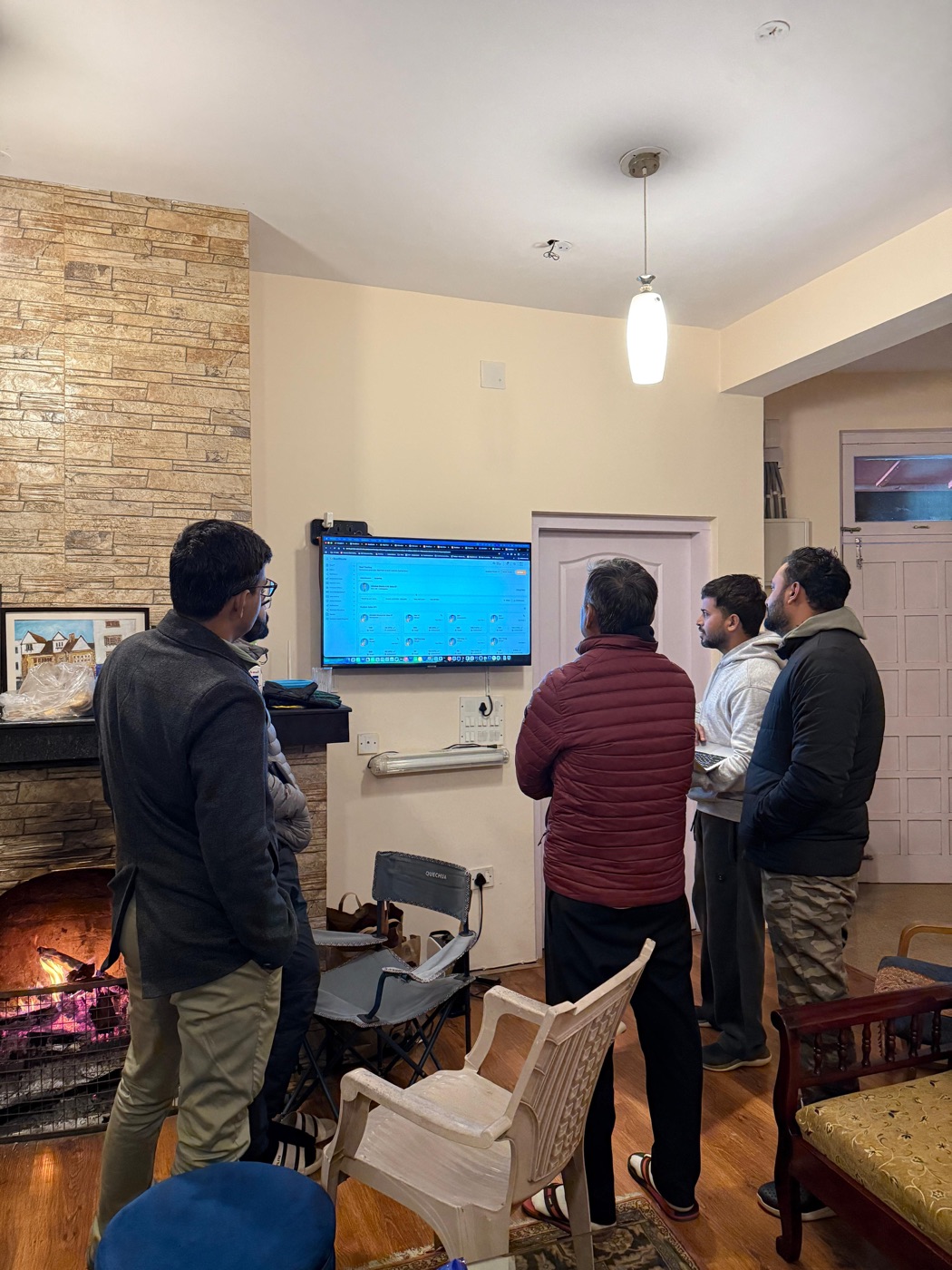
I rebuilt how BeatRoute goes from idea to production. Work reaches customers about 70% faster, and the prototypes we build now help close enterprise deals.
In enterprise, deals were won on a promise. A solution document, a set of screens, sometimes a working prototype. The better it looked, the more the customer believed it. Then the real product shipped, and it did not match.
The prototype set a real expectation. When a demo looks and feels real, the customer expects exactly that. But behind it there was no real data, no scale, and no edge cases. It was a promise, not a product.
The real product met real constraints. Built against actual data, performance, and scope, it came out different. Features narrowed, behavior changed. And because the demo had set the bar so high, every difference read as something broken.
Then we did it all again. The prototype that won the deal was made to pitch, not to run, so it got thrown away and rebuilt from zero. Every new enterprise reopened the same gap.
The pitch was always close to the intent. What it lacked was a way to make that intent real in days, and to carry it into the product without building it twice. So the bet was on a new process, one that shortens time in three places at once.
Reach buy-in with a prototype that is close to an MVP, ready in the first two days. Not a slide to nod at, something the team and the customer can actually use, so what they sign off on is the experience they will get.
Then hand engineering a design and a spec that are agent-driven and already on-system, so they are not chasing pixels and edge cases. They build on it and put their time into scalability and infrastructure. And because the behavior is defined and working before it reaches them, QA has less to catch at the end.
Three clocks get shorter at once. Buy-in, build, and QA.
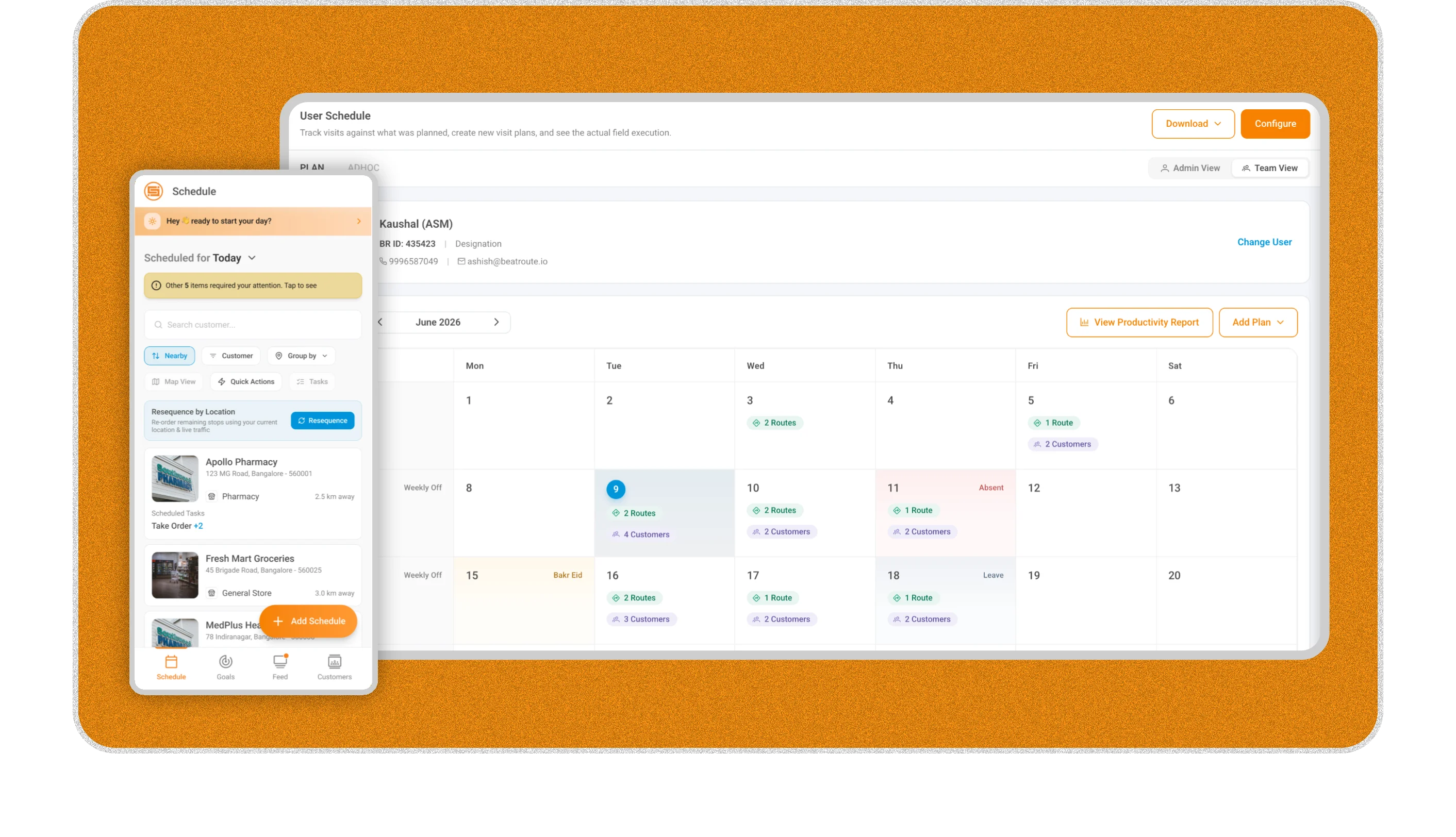
I started with the design system. Colors, type, spacing, and behavior became tokens, and next to each one I wrote the rule for when to use it. Values on their own are not enough. An AI reading raw tokens still guesses and picks the wrong one.
Then I gave it memory. Our past specs, decisions, and docs, so the agent knows not just how we build, but why we built things the way we did. It makes calls with that history behind it, instead of starting from a blank page every time.
Both live in an AI skill, a permanent brief the agent reads before every screen. It stops guessing on the look, and stops ignoring what we already learned. What it makes is on-system and decided like us by default.
It all comes back to one change. The work is never handed off as a document to decode. It stays one living artifact the whole way, from the first prototype to production. Here is how it ships now, and where each saving comes from.
The work got faster and the results got closer to what we set out to build. Fewer rebuilds, fewer surprises in QA, and demos that were real enough to move a deal forward.
This was not one project. It is how the company ships now. A repeatable way to go from an idea to a working product, with the knowledge intact the whole way.